Helpful Tips to Roof Lights
Upgrade Your Attic: How Rooflights Can Add Value and Light
Transforming an attic with rooflights creates an opportunity to enhance both light and space. The introduction of these features not only brightens the environment but also adds substantial value to a property. As natural light improves mood and energy efficiency, it becomes evident that rooflights can revitalize underutilized areas. Yet, the choice of rooflight and design can be essential. What aspects should one consider when initiating this project?
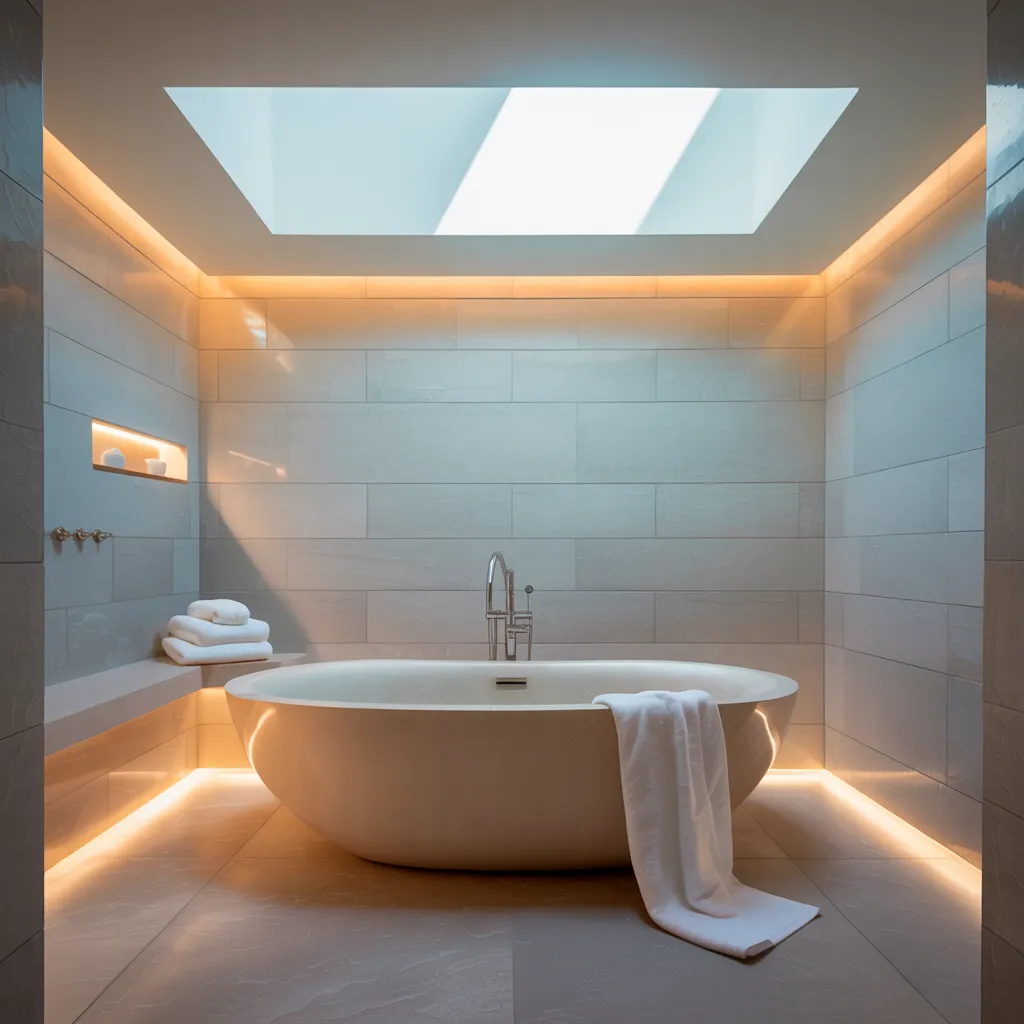
Why Rooflights Are the Ideal Choice for Your Attic Transformation
What makes rooflights ideal for an attic conversion? Rooflights play a central role in transforming a neglected attic space into a bright, practical living area. They considerably increase the flow of natural light, producing an open, refreshing environment that can greatly enhance the overall appearance and atmosphere. This abundance of natural light not only boosts morale but also aids in decreasing dependence on artificial lighting, supporting energy savings.
Moreover, rooflights can boost a property's appeal. Interested buyers often look for homes with well-lit spaces, making an attic conversion increasingly attractive. The well-planned placement of rooflights can also offer stunning views of the sky, adding a one-of-a-kind charm to the attic.
Moreover, rooflights promote ventilation, improving air circulation and preserving a comfortable environment. In conclusion, incorporating rooflights into an attic transformation is a wise choice that merges aesthetic appeal, energy savings, and increased property value.
Different Kinds of Rooflights: How to Choose the Right One?
Picking the right kind of rooflight can considerably impact the overall success of an attic renovation. Numerous options are accessible, each providing distinct benefits. Fixed rooflights are popular for their straightforward design and efficiency in lighting up spaces, while opening rooflights deliver ventilation together with natural light, improving air quality. For those looking for a modern appeal, skylights come in numerous designs and materials, allowing customization to complement the attic's style.
Dome-style rooflights, often used for level rooftops, are excellent at maximizing light intake and can be fitted in numerous setups. Moreover, tubular rooflights are ideal for confined areas, channeling natural light via reflective tubing. When selecting a rooflight, aspects such as the size, direction, and attic configuration are important. Ultimately, the correct selection not only enhances the brightness of the space but also supports its overall functionality and appeal.
Natural Light and Its Impact on Well-Being
Natural light plays a crucial role in enhancing overall well-being. Natural light exposure has been associated with enhanced mood and greater energy levels. Scientific research suggests that natural light can profoundly influence mental health, reducing symptoms of anxiety and depression. By saturating spaces with sunlight, individuals often enjoy enhanced serotonin production, which contributes to feelings of happiness and calmness.
Additionally, sunlight supports the regulation of biological rhythms, promoting improved sleep habits. This physiological harmony fosters a sense of harmony and renewal, which is essential for overall health. In spaces such as attics, installing rooflights can maximize exposure to sunlight, producing a more appealing and tranquil space. The mental health advantages of natural light extend beyond mere aesthetics, impacting creativity and productivity alike. Thus, enhancing living spaces with rooflights can have find out about this a beneficial impact on both emotional and physical health.
The Ways Rooflights Increase Your Property Value
Adding rooflights to an attic transforms the space into a bright, airy retreat that can considerably enhance property value. By letting natural light stream through, rooflights improve the general attractiveness of a property, making it more attractive to potential buyers. This feature not only creates a more inviting atmosphere but also highlights the practical space that an attic can offer.
Homebuyers frequently look for properties with unique features that stand out in the market. Rooflights can serve as a focal point, showcasing architectural design and enhancing the visual appeal. Furthermore, well-lit spaces tend to feel larger, thereby enhancing the perceived square footage of the property.
In addition, energy savings can be achieved through the use of contemporary rooflight solutions, which may appeal to eco-friendly homeowners. Ultimately, the installation of rooflights converts an underused section into a valuable functional space, boosting the property's commercial appeal and long-term value.
Creative Decorating Ideas for Your Attic Space
When considering creative design ideas for an attic area, distinctive lighting options can significantly improve the atmosphere. Moreover, transforming the area into versatile areas allows for enhanced versatility, supporting multiple uses. A comfortable reading retreat can offer a wonderful sanctuary, merging practicality with aesthetics.
Custom Lighting Solutions
In what ways can creative lighting convert an attic into an inviting sanctuary? By integrating unique lighting solutions, property owners can significantly improve the atmosphere and usability of their attic areas. Thoughtful installation of LED strip lights along beams or shelves can generate a warm, appealing radiance, as pendant fixtures can function as impressive visual anchors. Roof windows not only introduce natural illumination but also create a sense of greater space and openness. Incorporating dimmable fixtures allows for versatile lighting, permitting residents to tailor the ambiance to suit different times or settings. Additionally, using decorative lamps or wall sconces can add personality, making the attic a cozy refuge. In the end, deliberate lighting planning enhances both the visual charm and functionality of the attic.
Flexible Living Spaces
Forward-thinking illumination solutions not only elevate the ambiance of an attic and also lay the groundwork for inspired design choices. Through the use of quality rooflights, attics can transform into flexible living spaces that cater to diverse requirements. As an example, a bright and open space can act as a personal workspace throughout the daytime, while subtle, adaptable illumination can establish a comfortable leisure space after dark. Incorporating versatile furniture facilitates convenient restructuring, accommodating everything from relaxation activities to group entertainment. By blending utility with style, a well-designed attic space can maximize utility without compromising style. Ultimately, the possibilities for transformation depend solely on one's vision, positioning attics as prized features of contemporary residences.
Inviting Reading Retreats
Establishing a cozy literary retreat in an attic can transform an neglected space into a calming retreat, ideal for leaving behind the stress of everyday life. Carefully installed rooflights can illuminate the nook with natural light, boosting its warm atmosphere. Decorating the nook with a relaxing chair or chaise lounge, plush pillows, and a soft blanket forms an excellent spot for rest. Adding bookshelves, whether built-in or freestanding, allows for easy access to a carefully selected collection of literary works. Introducing personal touches, such as paintings or accent lights, further enhances the nook's charm. This thoughtful design not only elevates the area's attractiveness but also increases the home's total value, making it a valuable investment.
Essential Installation Tips for a Successful Rooflight Project
When organizing a rooflight fitting, selecting the ideal location is vital for enhancing natural light intake and improving the room's ambiance. Engaging qualified professionals guarantees that the work is carried out with precision and care. Furthermore, adequate insulation is necessary to preserve energy efficiency and comfort in the upgraded loft space.
Pick The Perfect Location
Selecting the right spot for a rooflight is vital to optimising both natural light and visual impact in an attic conversion. In an ideal scenario, rooflights should be installed to harness the most sunlight throughout the day, typically on the south-facing side of the roof. This positioning not only boosts light levels but also minimises reliance on artificial lighting. In addition, considering the existing roof structure and potential obstructions, such as chimneys or trees, is crucial. Rooflights should be fitted in areas that suit the intended use of the space, whether for a playroom. This careful positioning ensures a balance between usability and visual impact, ultimately transforming the overall ambiance of the attic.
Engage Certified Specialists
Employing qualified experts is essential for a productive rooflight installation. Their skill guarantees that the installation complies with local building requirements and safety standards. Professional installers can effectively assess the structural soundness of the roof, detecting potential obstacles that may emerge during installation. They carry the essential tools and methods to lessen disruption to the surrounding space while achieving a professional finish. In addition, experienced professionals can supply valuable recommendations into appropriate placements and design choices, boosting both aesthetics and utility. It is advisable to seek recommendations and evaluate previous work to ensure the selected team has a proven track record. Overall, employing qualified professionals not only protects the installation project but also plays a major role to the rooflight's lasting efficiency and durability.
Maintain Adequate Insulation
Making sure insulation is adequate is vital for optimizing energy performance in a rooflight installation. It reduces heat loss throughout the winter months and reduces heat gain in warmer seasons. Homeowners are advised to initially examine the existing insulation in the attic, confirming it satisfies the recommended R-values for their location. Investing in premium insulation materials can significantly improve results. At the time of installation, it is important to address any gaps or leaks around the rooflight, as they can undermine the performance of the insulation. Moreover, opting for reflective insulation materials can aid in regulating temperature changes. Sufficient ventilation should always be considered, as it aids in maintaining a balanced environment. By emphasizing insulation, homeowners can experience a comfortable home environment while fully realizing the value their rooflight delivers.

Frequently Asked Questions
How Do Rooflights Contribute to Energy Efficiency?
Skylights boost energy savings by harnessing daylight, decreasing dependence on electric lighting. They enhance airflow, aiding in managing internal temperature, and often result in reduced heating and cooling expenses, supporting a greener lifestyle while increasing overall comfort.
Do Rooflights Demand Special Maintenance?
Rooflights generally require minimal maintenance, commonly necessitating periodic cleaning and leak assessments. Maintaining adequate sealing and tackling any concerns without delay can enhance their longevity and performance, benefiting both energy performance and aesthetic value.
Do Rooflights Help Cut Heating Costs?
Rooflights are genuinely effective at reducing heating costs by allowing natural light to warm spaces during the day. This additional natural light can reduce dependence on artificial heating systems, contributing to significant energy savings over an extended period.
Do Rooflights Work with All Roof Types?
Rooflights cannot be considered a universal solution for all roof types. Their effectiveness depends on factors such as roof pitch, material, and structural integrity, requiring careful consideration and professional assessment for ideal installation and performance.
Which Building Regulations Are Relevant to Rooflight Installation?
Construction standards for the installation of rooflights typically include factors involving fire safety, structural integrity, and energy efficiency. Planning departments could necessitate planning permission, confirming conformity with standards that protect the building and those who occupy it.